Showing posts with label berita hangat. Show all posts

6 Fakta Bowo Alpenliebe, Seleb Tik Tok Kontroversial yang Bikin Fansnya Ngaku Rela Jual Ginjal


Many people have good intentions about creating their Spiritual Legacy for their grandchild. The Bible tells us in numerous places to tell the next generations what God has done for us. However, procrastination seeps into our lives. Creating a Spiritual Legacy ranks high on the "can wait until later" list. In full disclosure, I will admit that I am a member of the "Procrastination Club" in many instances. Faithbooking just doesn't have a high priority ranking in the daily lives of many people- at least not like, cooking, washing clothes, and doctor's appointments. Every day God gives us a special gift. That gift is "time." Each one of us receives 24 hours in one day. Along with that precious gift comes another-the freedom to use our gift in the way we choose. Don't you love to spend some of your time chatting about your grandchild and showing off photos of him/her? Most of us would do most anything in the world for our grandchild. But would you really do anything? Would you be willing to give up just a little teeny bit of your time (say 24 minutes a day) to invest in your grandchild? That's less than 2% of your day. In less time than it takes to watch one episode of "Wheel of Fortune" you can start a spiritual keepsake for your Grandchild. There's only one way to get through the procrastination barrier and it is simple. The only way you can quit procrastinating is to start. The best way to start is to pick out a time and go for it! Do you believe God is stirring in your heart about leaving your Spiritual Legacy for your grandchild? "Teach what you've seen and heard to your children and grandchildren." Deut. 4:9 (MSG) When do you think is the best time for you to start? How much time do you feel you can invest in the spiritual life of your grandchild each day? 15 minutes? 24 minutes? 45 minutes? Write down the amount of time you will invest daily or, if not daily, on which days? Monday and Wednesday, or the weekends? Be specific about your intended schedule. Write your goal. This is my goal: "I will invest at least 15 minutes a day Monday through Friday for the Spiritual Legacy for my grandchild." Barrier #2 But Which Steps Do I Take and When? Don't despair! Faithbooking is something that is best taken in baby steps. So if you are ready to start investing a few minutes for the Spiritual life of your grandchild, I'll give you three simple actions to start on right now. * Pray and ask God what He wants you to do. "... if you want to know what God wants you to do--ask Him, and He will gladly tell you... " James 1:5 (NLT) * Start sifting through your photos. If you're like most of us Faithbookers, we have tons of photos-some in boxes in the closet and some digital ones saved on computers and phones. But don't get discouraged! And don't dread the task. Please don't plan to put all of your photos into your Faithbook. You'll get yourself all knotted up with overwhelm. * Decide which of your photos you'd like to use first. Pour yourself a cup of coffee and have yourself a personal memory-savoring good time. As you peruse your pictures, save out some special ones with the intention of placing them in your spiritual legacy book. Barrier #3 I Do NOT have a Clue which Types of Supplies and Tools I Need to Get Started. When a non-artistic person (like me) wants to begin a Faithbook, it can be frustrating. You may not know which tools or supplies you need. To further complicate things, you may not understand the language for the craft. So how can you fix this barrier? As you look at your piles and piles of photos and realize there are so many scrapbooking supplies you know you are submerged in a new area--one in which you need help. Again I suggest whisper a prayer. "When you're in over your head, I'll be there with you." PS 143:2 (MSG) Not to worry! A little bit of training will go a long way- I Know. I took several beginner classes. With each class I learned-techniques as well as tips and more of the language. * You can often attend classes at local scrapbooking or craft stores. Call around to find out what may be available. * Sometimes, you can find classes online. You can learn a lot about the tools and techniques. An excellent place for this is

Akhir nya Kominfo Blokir Aplikasi Tik Tok karena Banyak Konten Negatif bagi Anak


In the world of paper crafting, you collect lots of paper scraps. If you do a lot of paper projects, you will see the paper scraps piling up. If you are trying to figure out a way to deal with the leftovers, you may want to read our tips to organize the annoying paper scraps. Read on. Repurpose containers If you want to arrange the right amount of storage for the stash, you don't need to spend lots of money. What you need to do is look for something that is lying around your home. With some wrapping paper and a cereal box, you can make a good storage container. Schedule It's important that you choose a weekly or biweekly time in order to reorganize your stuff. It's important to follow the schedule that you have set. This will help you adopt good habits. As a result, you will stay disciplined. Storage bin It's a good idea to buy a storage bin for your paper scraps alone. The bin will have some small pockets as well. You can store the extra scraps in those pockets. So, you should look for a good storage bin for your storage needs. Follow the organization schedule With a bit of effort, you may get organized, but you may get disorganized gradually. Therefore, we suggest that you be more proactive and put your stuff in the right place. The dollar Store If you are obsessed with stuff that cost no more than one dollar, then you know the importance of the dollar store. For some good storage options, we suggest that you look for a few good options to arrange the paper. At a nearby dollar store, you can find a lot of cheap storage options. Hanging storage At times, you don't have a lot of room for storing folders or bins. Therefore, the wall is an ideal place for this purpose. In other words, if you want to keep your floor free of clutter, we suggest that you hang your storage bins on some of the walls. Restyling For some people, restyling bar cars is a great idea. For organizing your paper collections, It's a good idea to install dividers. They won't cost too much money, but will help you a lot with organizing your papers. Be selective As far as your paper purchases are concerned, you should be more selective. When buying, make sure that you prefer quality to quantity. Don't buy a lot of things that you are not going to use anytime soon. If you have a lot of something, you will have to find a place to store and organize it. So, if you have been looking for some tips in order to organize your paper scraps, we suggest that you give a go to the tips given in this guide. This way you will be able to do your projects in an efficient manner. Just keep in mind that you should go slow and buy those things that you need. Hope this will help.

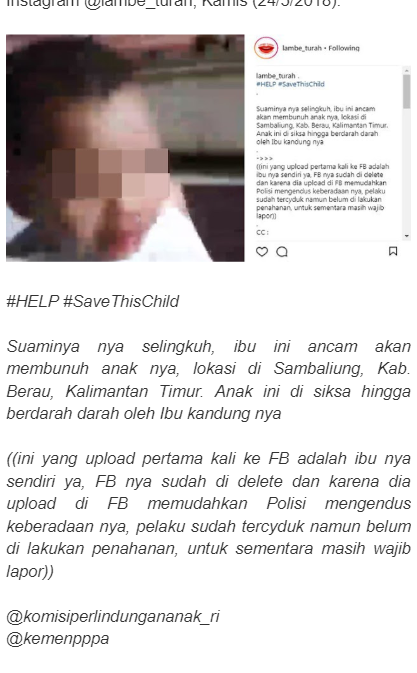
Siswa 7 Tahun ini Dipukul Gurunya Hingga Kakinya Memar dan Hampir Sobek


An often overrated yet essential part of any kind of vacation preparation is the inquiry of insurance policy. Many holidaymakers, having had initial- or second-hand experience of the lots of caveats the market can toss at an unsuspecting purchaser, prefer to pass it up altogether; a lot of the remainder are just too mystified by the distinctions of most plans to be able to create an option. But, acquiring some form of plan before taking a trip is vital, in order to safeguard oneself against any sort of eventuality that might occur throughout the travel. This is specifically important in the case of travel insurance policy for family holidays, as these include children; the security of their kids against crashes or illness will definitely be front as well as centre in the majority of parents' minds, making the acquisition of a policy of this kind paramount. Nevertheless, parents and also guardians which locate themselves in this sort of scenario must not simply choose the first type of traveling insurance for family breaks they can discover. Similar to every little thing else in this area, it is very important to carry out some research in order to discover the best match for their needs among the options on offer. Hereof, one of the most crucial aspects to keep in mind is destination, as visiting different parts of the globe might cause the need for not the same sorts of stipulations to be consisted of in the plan. Health And Safety As with every sort of vacation, the most important facets to take into account when buying travel insurance coverage for family vacations are health and wellness, particularly where the youngsters of the group are worried. It is common knowledge that the majority of claims, whether effective or otherwise, revolve around healthcare or physical accidents, and also father and mothers specifically will want to make sure these areas are covered. That is why it comes to be particularly important to do localized study into the location in which the vacation is to happen. European or North American destinations could not be as well questionable or existing anything uncommon here, however the situation alters rather should the vacation be planned for an Eastern, African and even Caribbean or South American location. This is because, obviously, the kinds of diseases discovered in those continents and places are considerably not the same from those found in the Old World, as well as for that reason call for special sorts of therapy. Parents seeking to insure their youngsters need to consequently take this right into consideration when getting a plan

Cara Bentengi Diri dan Keluarga dengan Iman Agar Tak Sampai Tega Menghajar Anak


Buying travel insurance is not as simple as you think. Firstly, it is way more different than buying an article you've long desired and wait for its price to drop soon. It's even different from buying an airplane ticket where you go online and do a price comparison to look for the cheapest one. People who are new to it often find it very hard to get their way around it. Firstly, they struggle with the idea of whether they really need to get it or not. Most travelers believe they don't really need it and coverage is simply spending more money unnecessarily. To solve your confusions, here is an ultimate guide to buying travel insurance. 1. Do You Need Insurance? To begin with, there are many countries that won't let you in if you don't have it. But the chances are that you'll get away with many destinations that allow you to get away without it. So do you wonder why you still need that? You're right in thinking so. But it's mandatory to be traveling with valid travel insurance. You plan a vacation because you want to escape all the stresses of life and have the time of your life. That is great thinking, but might not always end up being how you've planned. Accidents never come with an invitation and are never welcomed. But they can become very bitter if you're not prepared to battle with them. This is where travel insurance comes extremely useful. 2. Buy it Early We all refrain from buying travel insurance because it is expensive. One of the sensible ways of saving on your buy is to get your travel insurance early. You'd still be only paying for the time you're traveling. However, you would still be covered for that time free of any charge. So if you choose to purchase your insurance three months prior to flying, any changes to your travel plans are likely to be covered by your insurance company. It's better not to wait last minute for things to go wrong and get your insurance beforehand. 3. Purchase Online Nearly all of us admire online purchasing simply because there are plenty of discounts available. This is why it may be a great option to buy your insurance cover online. However, this is not as simple as it may sound. Online purchases are mostly done with a low price indicator. But when buying travel insurance, there's way more than just looking at the price. Before making the purchase, it is a must to carefully examine your policy and ensure you've studied it in depth. Domestic as well as international traveling must be worry free if you truly wish to enjoy it. But when you purchase your insurance cover, it is very important that you can fully trust your company with their policies and know exactly what you've opted for. Once you experience this, you'd never go anywhere without

Jangan Bangga Dengan Pemberian Orang Tua, Banggalah Dengan Apa yang Kamu Berikan Kepada Orang Tua


If you have children and grandchildren settled abroad, you desire to visit them occasionally. However, the humongous amount of documentation and approvals forces you to restrict it to a single or at the most two visits. In December 2011, the Canadian Government introduced a new insurance scheme called the Super Visa Insurance. It covers unexpected medical expenses while residing in Canada. It also pays up if you fall sick on a side trip, if majority of the period is spent in Canada. With a validity of 10 years, there are fewer hassles in planning a trip to Canada. You can visit the country for up to 2 years per visit without having to renew your status during these 10 years. It permits multi-entries into the country. The Super Visa insurance covers you for a minimum amount of $100,000. The insurance benefits include hospitalization, health care and repatriation. This is an individual visa application; it does not include your dependants. Now every visa and insurance plan has its own terms and conditions; hence if you would like to apply for the same, here's more on the eligibility criteria and procedures. Are you eligible? The first major criterion for the Super Visa Insurance is that you should be a parent or grandparent of a Canadian citizen or a permanent resident of Canada. The second major requirement for the Visa is insurance. The applicant should have private medical insurance from a Canadian company for a period of at least one year. The applicant will be required to submit proof of the same for the application to get approved. On applying, you will also have to provide a copy of the letter of invitation from the relative inviting you to Canada. This letter specifies the number of persons in the household as well as outlines the details for the plan of care while you stay there. To add, the applicant has to provide documents stating that their children or grandchildren meet the minimum income threshold and that they will provide all the financial support during your stay in Canada. What after applying? If you fulfill all the above mentioned criteria, you should submit your application attached with the required document. The Citizenship and Immigration Canada (CIC) processes documents after scrutinizing them. After your application has been approved by the CIC, it is handed down to the Visa Officer. He decides if he would like to have an interview with you and schedules the same. Accordingly, you will be notified of the time, place and date. The visa office might ask you to undergo a medical exam before you enter Canada. The Visa officer will provide all the instructions and directives including how and where the medical examination will be conducted. The medical examination usually delays the approval process, as the Visa office waits for the results before going ahead with the procedure. Another document that you might be asked to provide is a police certificate. Once the Super Visa insurance is approved, your passport will be stamped and all your original documents will be returned. If your application is not approved, it will be returned to you with a letter of explanation

Fakta Terbaru Identitas Anak Pelaku Bom Bunuh diri Dari Tulisan di Celana Dalamnya


Planning to be traveling soon? Should you buy travel insurance? It's a tough call whether spending the extra money is worth it. Are you over 50? Travel insurance goes up significantly as you get older. If you're spending a lot of money on a trip, travel insurance is a must. Travel Insurance Coverage Travel insurance covers these basics: Trip Cancellation Or Interruption Medical Emergency Evacuation Baggage Flight Delays and Cancellations Travel Insurance - What Does It Mean For You? Trip Cancellation refers to canceling prior to your trip whereas trip interruption refers to a problem during your trip. What if you or one of your travel companions gets hurt or sick and you need to cancel your plans. This is where travel insurance comes to the rescue. What if you have a medical emergency? Think you're covered by your medical insurance? You might be. But most medical insurance policies don't cover you outside of the United States. Medicare never covers you when traveling abroad. Find out if you're covered when traveling to your next destination. What happens if you do sick and need to be airlifted? Or you need medical care on your flight home. This can be very expensive. Have you arrived at your destination just to find that you have no luggage? What if you're ready to board a cruise? Now what? Travel insurance will pay for essential items until your luggage is found and delivered to you. What if it never shows up? Make sure to have a list of items that you packed for your trip. Better yet, keep as many receipts of these items as you can. If your luggage was stolen, make sure to file a police report. This will help in making an insurance claim. Did you get to the airport just to find out your flight has been delayed? What if the delay causes you to miss your connecting flight? Travel Insurance will reimburse you for hotel stays and meals while waiting to get out on the next flight. But what if your flight leaves on time and you get held up in traffic and miss your flight? You probably won't be covered. Travel Insurance - Do I really need it? Check with your homeowner's policy. It may already cover such things as lost luggage. Be sure to check the maximum amount of coverage as it may be limited in the payout. Check your medical insurance and find out what is covered when you're traveling away from home. Verify if you're covered when traveling abroad. Finally, check your credit card coverage. Some credit cards will provide a limited amount of insurance if the trip was booked with their credit card. If you have an airline's credit card, check with their coverage. They may have better coverage if you're traveling with them. But credit cards may not cover you being airlifted back home. Both health insurance and credit cards don't usually cover travel emergencies. Once you decide you need travel insurance, read the fine print. Check to see if there are any time limits concerning the purchase of insurance prior to your trip. Find out if the entire length of your trip is covered. Make sure your destination is covered. If the government is warning you not to visit a particular country, you may not be covered if you go there. What if you get sick? Make sure you list all medications you're currently taking. Failure to do so could invalidate your policy. What if a family member back home gets sick and you want to cut your trip short. Most travel insurance policies don't cover this unless it's a death in the family. There is an option called "cancel for any reason". If you have older relatives back home, you may want to consider this option for peace of mind. This would allow you to cut your trip short and return home for any reason. Even if you just changed your mind and decided not to go. Check the fine print and decide if purchasing travel insurance is right for you. You may be glad you did!

Mulai Terungkap, Para Mentor di Balik Pelaku Bom Bunuh Diri di Surabay


Every year, millions of people go on holiday around the world and they're almost totally uninsured while doing so. Just why that happens is sometimes a mystery but more commonly studies indicate that it's one of the following: Trying to save a few dollars on holiday costs Being unaware of just what can go wrong and how much it'll cost if something does Assuming, usually wrongly, that someone else 'somewhere' is covering them Thinking that "it'll never happen to me". Saving money In a sense, there's nothing at all wrong with this. That's providing that you have appropriately weighed up the risk factors and decided that the typically small amount of money you'll be saving is worth the risk of spending hundreds if not thousands of dollars should something go wrong. If that's your decision though then fair enough - and let's all hope that your luck holds. Being unaware Deciding to save money WITHOUT knowing the risks though is dangerous. For example, let's assume you're staying with your family in some luxury holiday accommodation. Maybe you've been unlucky and managed to break an ankle, meaning you can't fly back with them to home base for a couple of days. So, you've lost your flight and will need another. Perhaps a member of your family has stayed on with you to help you travel home in due course. All told, that's going to be another flight cost plus their extra nights in a hotel. Before you even blink, you could be facing a bill of thousands of dollars. Are you sure you don't need insurance? Someone else is covering you This is often heard in the context of people thinking, for example, that their personal property household cover will also cover things such as their luggage and possessions when on holiday. Well, it might but don't count on it! That's not something you'll want to discover if your luggage is say lost or stolen and you claim on your household policy only to be told that your claim is invalid because your goods were outside your property's boundaries. The moral here is clear. Never make assumptions about what any existing policies MIGHT cover. Instead, check and if in doubt, call your policy provider and ask. If you think about it, travel insurance wouldn't exist if other existing policies already provided such cover to the policyholder. A slight variable here though is automatic travel insurance that's sometimes available from financial institutions or credit card companies. That may be OK but remember to read the cover details carefully. If it's free then it's very likely to be limited in its protection. It'll never happen to me In the UK in 2015, almost 500,000 holiday insurance claims were paid out by the travel insurance industry. If that doesn't convince you that travel problems are not just a freakishly rare occurrence, then nothing will. Accidents, flight delays, thefts, cancellations due to personal reasons, injuries - these things do happen. While we all sincerely hope they won't happen to you, it's worth asking yourself the question just how you'd cope if they did and you had no insurance to help? Maybe you're a naturally lucky person and also have no doubt that your luck won't one day run out when on holiday. If you're not totally convinced of that though, it might be worth thinking again about travel insurance
close
========================
IKLAN 1
==================
IKLAN 2